
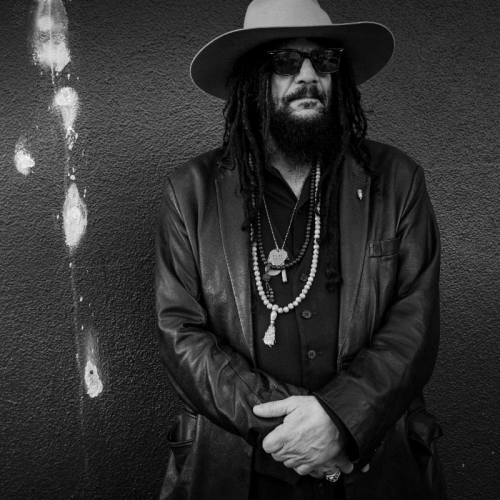
For Was, producing isn’t about control; it’s about capturing the chemistry of legends. Nowhere is that chemistry more palpable than with The Rolling Stones. “The musical conversation within The Rolling Stones is so jocular, relaxed, and fun, man,” Was shares. “Charlie would play something on the hi-hat and Keith, who is so quick man, he’d respond to it with some other kind of lick that would make Mick sing differently.”
Despite their reputations as titans of rock, Was describes a studio environment that is surprisingly light. “They are throwing softballs to each other, it’s fun and relaxed and there’s zero tension in the music when they are playing. That’s who The Rolling Stones are.” Even when creative sparks fly, Was views it as a vital ingredient for success. “The disagreements in the studio were things that made the record better… when you have two principals who are very persistent… and they are coming from 180 degrees apart, when they meet in the middle man, it’s magic. It’s sensational.”
This masterclass in “taste and restraint” also touches on Was’s transformative time performing with the late Bob Weir in Wolf Bros. Stepping out of the control room and back onto the stage was a revelation. “It was life changing. It really did change my life,” he admits. “It reminded me of everything that is great about playing live that I had kinda forgotten because I had been locked up in a studio for so long.”
Playing for the Grateful Dead community provided a connection unlike any other. “The Grateful Dead audience is one of the best audiences you’re ever gonna encounter. They are completely tuned in… A lot of them can not only hear your bass part but they can taste it too.”
To hear the full story of contemporary music, one artist at a time, tune into Rock & Roll High School every Thursday.


.png "Watch Robert Plant Perform Led Zeppelin’s “Ramble On” on Colbert")


